Typical Investment Ranges for Panel Replacements
Homeowners in the Portland metro area typically invest between $1,800 and $4,500 for a standard electrical panel installation, depending on the amperage and complexity of the work. A basic 100-amp to 150-amp panel replacement in a straightforward installation usually falls on the lower end of this range, while upgrading to a 200-amp service with additional circuit capacity or addressing older wiring challenges can push costs higher.
Several factors influence where your project lands within this spectrum. The age of your home plays a significant role. Homes built before the 1970s often require additional work to bring wiring up to current code, especially if aluminum wiring or outdated grounding systems are present. In neighborhoods like Eastmoreland or Laurelhurst, where older homes are common, we frequently encounter situations where the main service line from the street also needs upgrading, adding $1,200 to $2,800 to the total project cost.
Portland’s wet climate creates another consideration. Panels located in damp basements or exterior locations may require weatherproofing enhancements or relocation to meet current safety standards. This is particularly relevant for homes in areas prone to moisture accumulation during our extended rainy season from October through May. The permitting process in Portland typically adds $150 to $350 to your project cost, and inspections are mandatory for all panel upgrades to ensure compliance with Oregon electrical code.
Material costs have remained relatively stable, but labor rates reflect the demand for qualified electricians in the metro area. Most panel upgrades require a full day of work by a licensed professional, and scheduling during peak remodeling seasons (late spring and summer) may result in longer wait times rather than premium pricing.
Variables That Influence Your Final Price
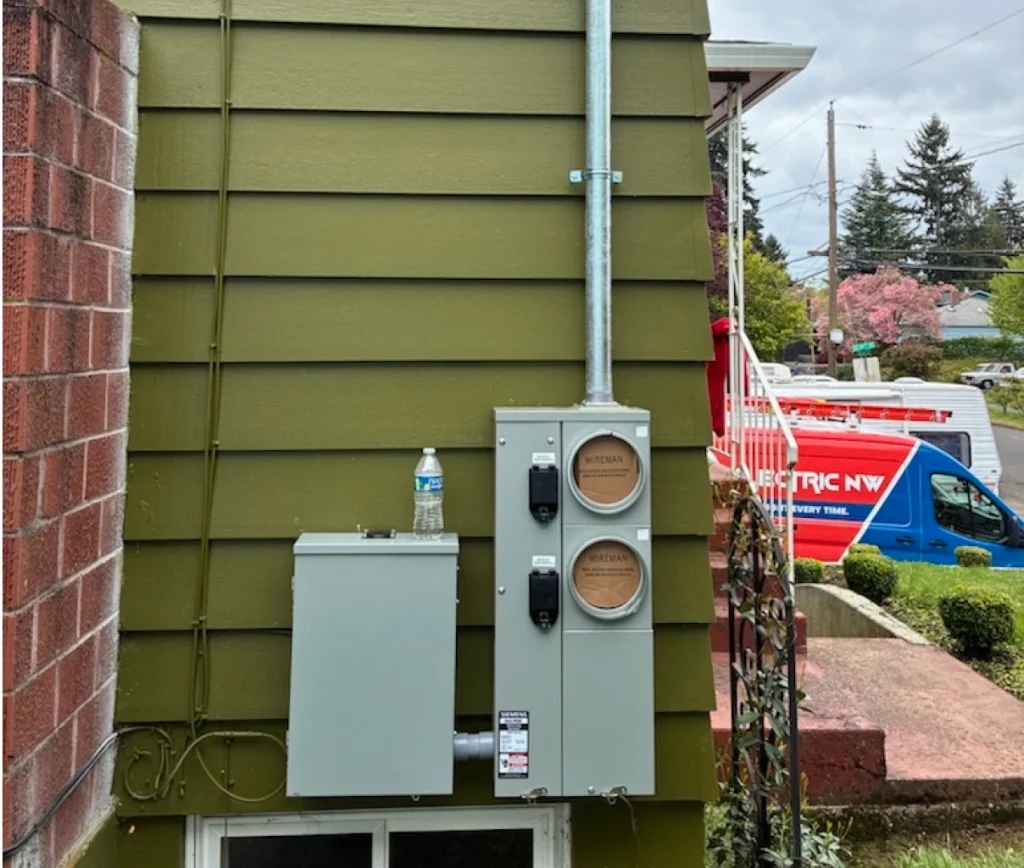
Understanding the specific elements that affect pricing helps you anticipate the scope of your investment. Amperage capacity stands as the primary driver. If your current service provides 100 amps and your household needs have grown with electric vehicle chargers, heat pumps, or multiple high-draw appliances, upgrading to 200-amp service becomes necessary. This transition requires not only a larger panel but often a new meter base and service entrance cable, which utility companies must coordinate and approve.
The physical location of your existing panel matters considerably. Panels tucked into tight crawl spaces, mounted on challenging exterior walls, or positioned in areas that no longer meet code clearance requirements will increase labor time. Oregon code mandates specific clearances around electrical panels for safe access, and older installations may not comply. Relocating a panel to a code-compliant location can add $800 to $1,500 to the baseline replacement cost.
Wiring condition throughout your home directly impacts the project timeline and budget. During panel upgrades, electricians assess the condition of branch circuits feeding into the panel. Homes with outdated cloth-wrapped wiring, insufficient grounding, or overcrowded circuits often benefit from addressing these issues concurrently with the panel upgrade. This integrated approach to electrical remodeling services ensures your entire system functions safely and efficiently, though it does expand the project scope.
Permit and inspection requirements add both time and cost. Portland requires permits for all panel replacements, and the inspection process typically takes one to three business days to schedule after installation. Some projects trigger additional requirements, such as AFCI (arc-fault circuit interrupter) protection on bedroom circuits or GFCI (ground-fault circuit interrupter) protection in wet areas. These safety enhancements align with current code but add incremental material costs to your project.
Timeline Expectations and Project Phases
A standard panel replacement typically requires one full day for installation, though the complete process from initial consultation to final inspection spans one to two weeks. The timeline begins with an on-site evaluation, where a licensed electrician assesses your current system, discusses your household’s electrical needs, and determines whether service capacity upgrades are necessary. This consultation provides the foundation for accurate pricing and helps identify any complications before work begins.
Permit acquisition follows the initial assessment. In Portland, submitting permit applications and receiving approval typically takes three to five business days, though this can extend during busy construction periods. Once permits are secured, the actual installation day involves several distinct phases. Power to your home will be disconnected for approximately four to six hours while the old panel is removed and the new one is installed. Most families plan this work for a weekday when they can arrange to be away or prepare for temporary inconvenience.
The installation process includes removing the old panel, mounting the new enclosure, connecting service entrance cables, installing circuit breakers, connecting all branch circuits, and labeling everything clearly. After installation, the electrician performs thorough testing to ensure all circuits function properly and safety features operate as designed. Portland’s final inspection must occur before the utility company reconnects permanent power, adding another one to three business days to the timeline.
Weather can influence scheduling, particularly for panels located on exterior walls or those requiring service entrance work. Our rainy season makes outdoor electrical work more challenging, and responsible contractors may postpone exterior portions of the work during heavy precipitation to ensure safety and quality. Planning your panel upgrade during drier months between June and September often results in fewer weather-related delays.
Local Market Conditions and Demand Patterns
Portland’s housing market and homeowner priorities significantly influence demand for electrical panel upgrades. The city’s strong emphasis on sustainability and energy efficiency drives many homeowners to upgrade their electrical infrastructure to support solar panel installations, electric vehicle charging stations, and high-efficiency heat pump systems. These additions often exceed the capacity of older 100-amp or 150-amp panels, making upgrades a practical necessity rather than an optional improvement.
Neighborhoods with older housing stock see particularly high demand for electrical services. Areas like Southeast Portland, North Portland, and inner Eastside communities contain many homes built between the 1920s and 1960s, when electrical demands were a fraction of today’s requirements. Homeowners in these areas frequently discover during kitchen or bathroom remodels that their entire electrical system needs updating to support modern appliances and lighting installation service requirements.
The regional push toward electrification affects pricing and availability. As more Portland residents transition away from natural gas for heating and cooking, electrical systems must handle substantially higher loads. A home switching from a gas furnace to an electric heat pump and from a gas range to an induction cooktop may need to double its electrical service capacity. This trend has kept demand for electrical panel installation steady, though the supply of qualified, licensed electricians has grown to meet this need.
Seasonal patterns also emerge in scheduling. Spring and early summer represent peak times for home improvement projects, including electrical upgrades. Homeowners planning solar installations often schedule panel upgrades in late winter or early spring to have everything ready for summer installation. Scheduling your project during fall or winter months may offer more flexible timing, though weather considerations for exterior work remain relevant during our wet season.
Planning Your Budget and Next Steps
Approaching your panel upgrade as an investment in safety and functionality helps frame your budgeting decisions. Start by obtaining detailed estimates from licensed electricians who can evaluate your specific situation. Quality estimates should itemize the panel itself, labor, permits, inspection fees, and any necessary auxiliary work such as service entrance upgrades or grounding improvements. Be cautious of quotes that seem substantially lower than the typical range, as they may not include required permits or may cut corners on code compliance.
Consider the broader context of your home’s electrical system. If your home needs significant electrical wiring repair or would benefit from whole home rewiring services, coordinating this work with your panel upgrade often proves more cost-effective than tackling projects separately. Electricians already working on your panel have easy access to circuits and can address multiple issues in a single project timeline, reducing overall labor costs and minimizing disruption to your household.
Financing options exist for homeowners who prefer to spread the investment over time. Many electrical contractors work with financing companies that offer payment plans, and some utility companies provide rebates or incentives for service upgrades that enable energy-efficient improvements. Portland General Electric and Pacific Power both offer programs that may reduce your out-of-pocket costs when upgrades support qualifying improvements.
When you are ready to move forward, schedule consultations with licensed professionals who can provide transparent pricing and explain exactly what your project entails. A thorough evaluation ensures you understand not just the cost but the value of bringing your electrical system up to current standards.